
Motocross has always been about speed, skill, and competition, but style has quietly become just as important. Walk through any paddock today and you’ll see motorcycles that look like rolling works of art. Matching colors, custom numbers, bold graphics, anodized parts, factory-inspired components, and carefully selected accessories have become part of the riding experience.
It wasn’t always this way.
Forty years ago, motocross bikes looked very different. Graphics were simple, color choices were limited, and riders focused almost entirely on performance. As the sport evolved, motorcycles became faster, technology improved, and factory teams began influencing not only how bikes performed but also how they looked.
Looking back at the evolution of motocross style tells the story of the sport itself.
The 1980s: Simplicity Defined the Era
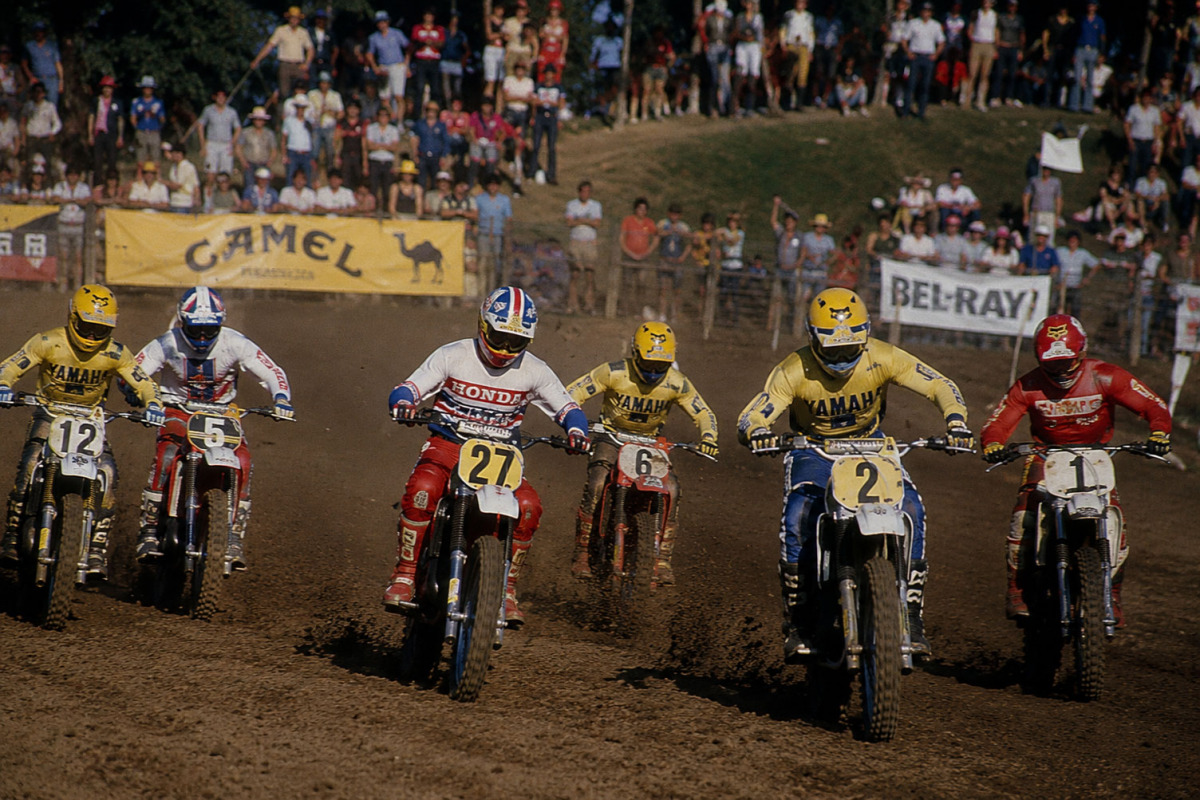
During the 1980s, motocross bikes were instantly recognizable by their bright plastics and simple graphics. Most factory teams used relatively clean designs consisting of stripes, sponsor logos, and racing numbers. There wasn’t much layering or aggressive artwork. The emphasis remained on visibility rather than visual complexity. Helmets followed the same philosophy. Bold colors helped spectators identify riders from a distance, while jerseys often featured straightforward patterns and oversized logos. Compared to today’s standards, the bikes almost looked minimalist. Yet that’s exactly what made them iconic. Many of those classic dirt bikes are still admired by collectors and vintage racing enthusiasts.
The 1990s: The Birth of Bold Graphics
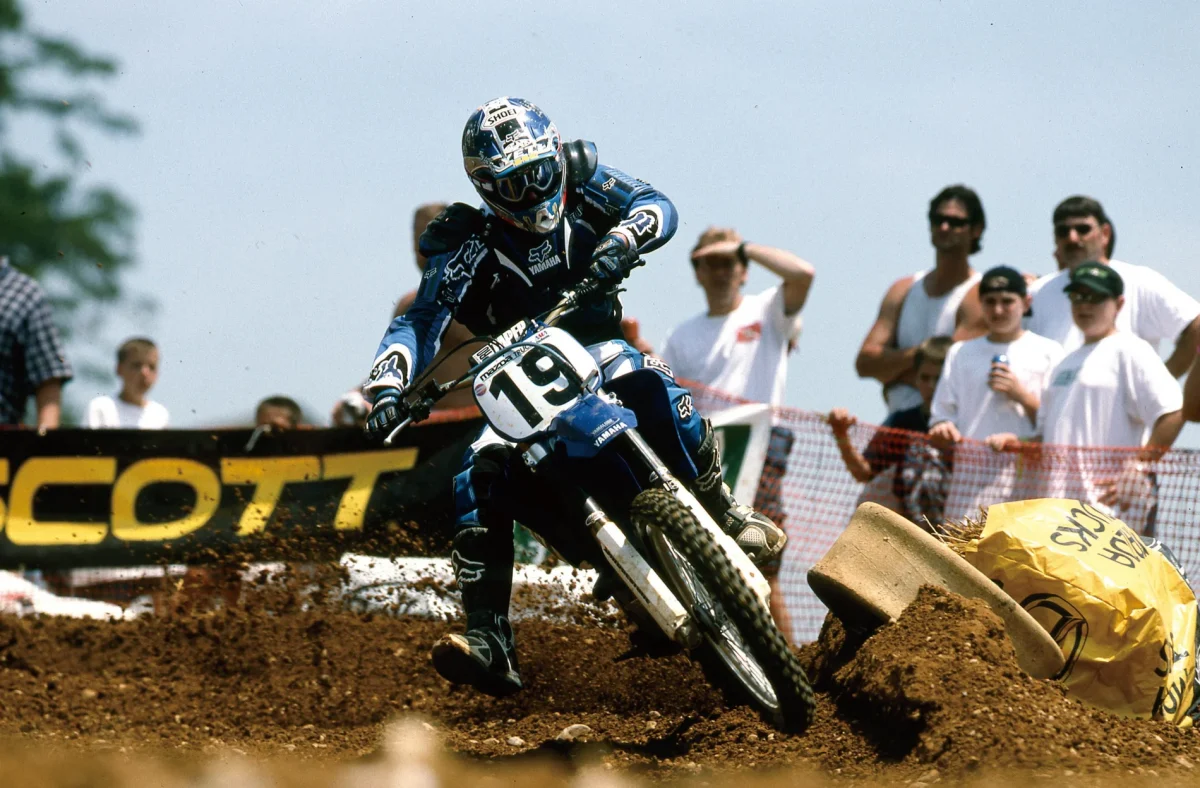
The 1990s marked one of the biggest visual transformations motocross had ever seen. Manufacturers introduced sharper bodywork, plastics became more sculpted, and graphic designers suddenly had much larger surfaces to work with. Flames, lightning bolts, gradients, neon colors, and oversized sponsor logos quickly became part of factory race bikes. Motocross was becoming faster, more aggressive, and the bikes reflected that attitude. This decade also saw aftermarket graphics grow rapidly as riders began looking for ways to separate their motorcycles from everyone else at the local track. Individual style was becoming almost as important as lap times.
The 2000s: Factory Influence Reached Everyone
As the internet grew, riders gained unprecedented access to professional race teams. Instead of only seeing factory bikes in magazines, fans could now follow every race weekend online, study close-up photographs, and recreate similar builds themselves. Matching wheels. Colored hubs. Aftermarket exhausts. Factory seats. Fresh graphics.
Suddenly, building a professional-looking motorcycle became an achievable goal for amateur riders. This period also introduced cleaner graphic layouts with stronger emphasis on color blocking instead of overly busy artwork.
The 2010s: Personal Style Took Over
By the early 2010s, motocross customization had become part of riding culture. Social media played a huge role. Instagram, YouTube, and Facebook allowed riders to showcase their motorcycles to thousands of people. Every fresh build inspired another. Instead of copying factory bikes exactly, riders started creating motorcycles that reflected their own personalities.
Some preferred aggressive blacked-out builds. Others embraced bright neon colors. Some chose clean factory replicas. Others experimented with completely original designs.
The motorcycle had become an extension of the rider.
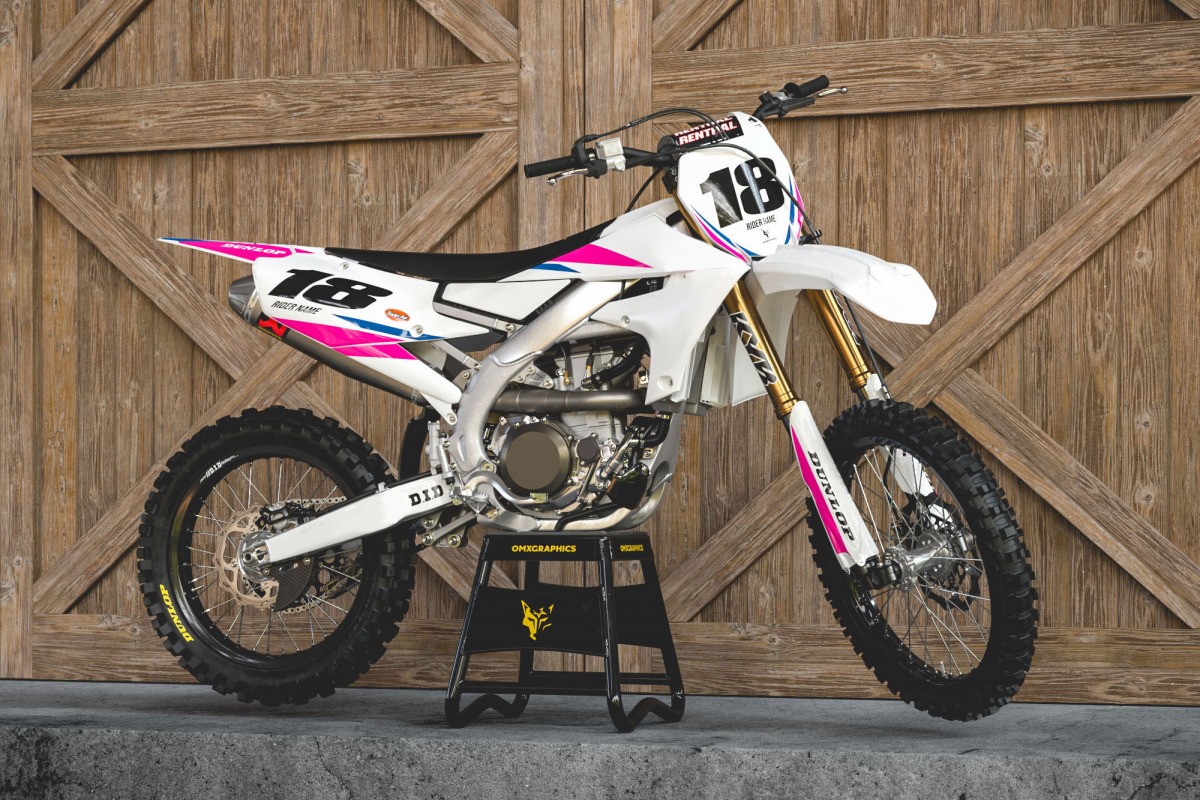
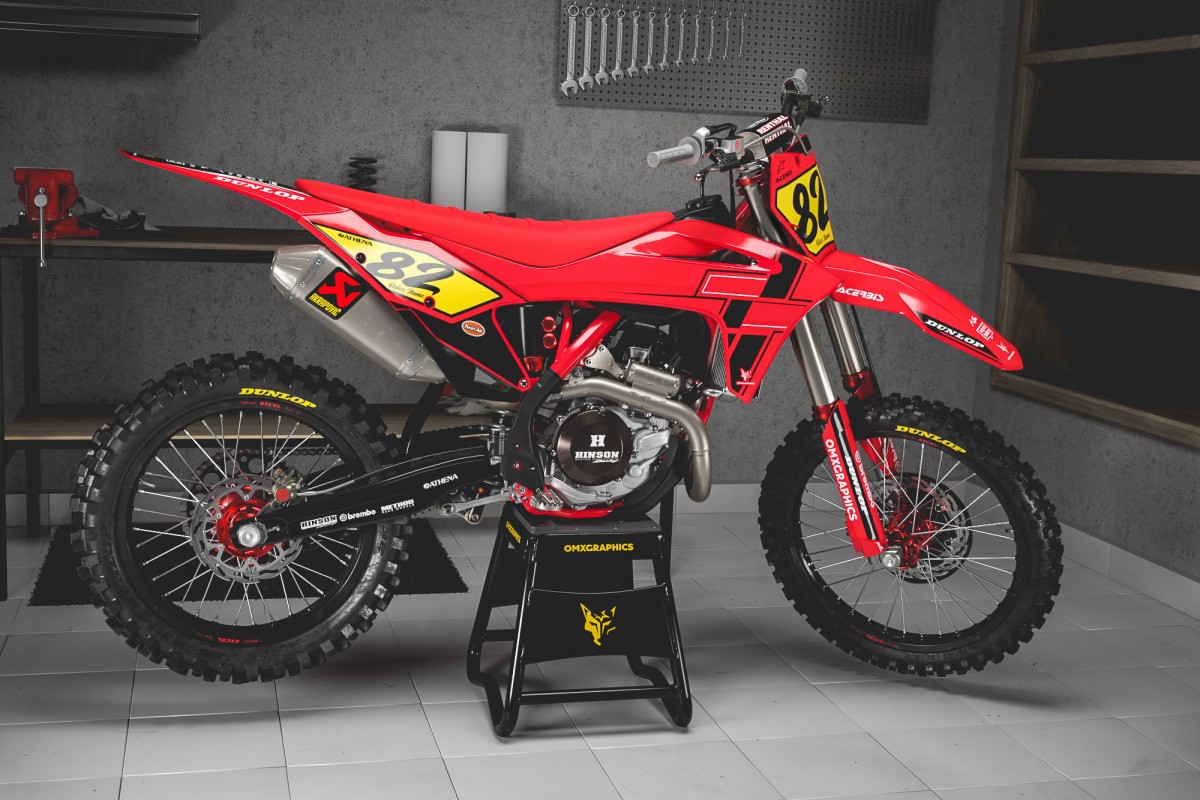
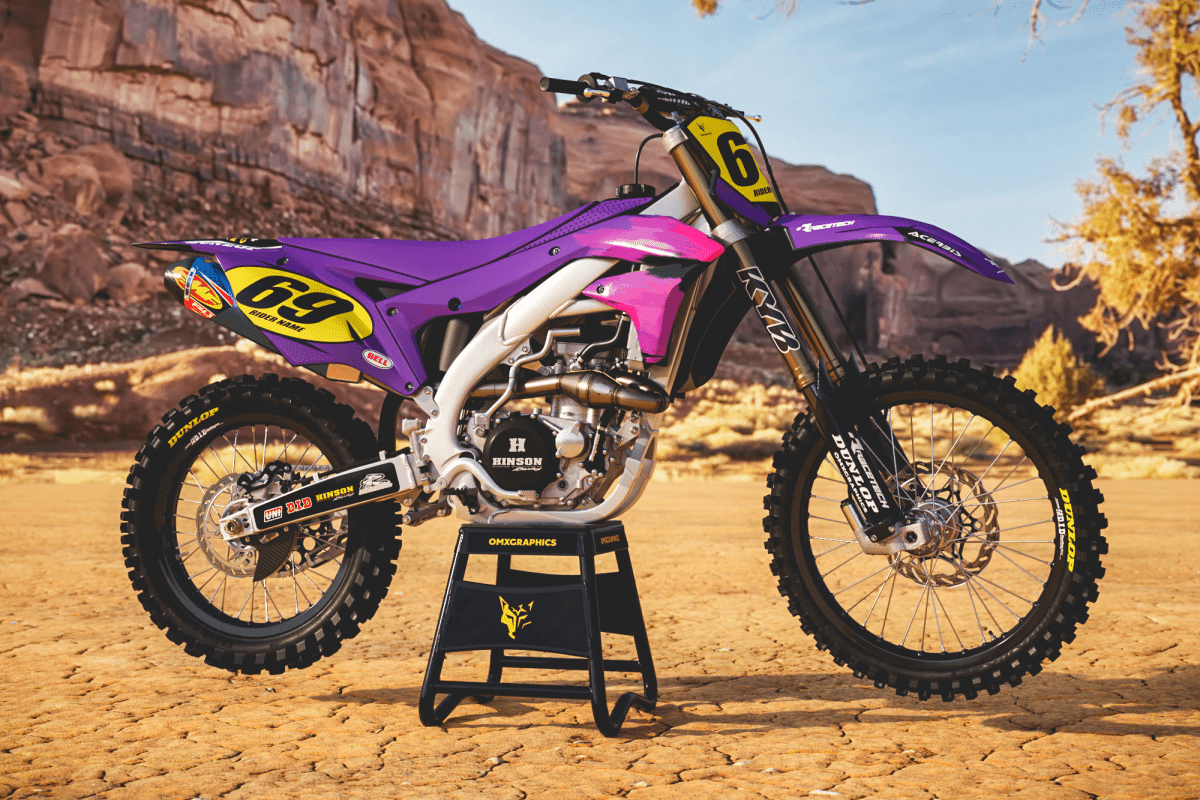
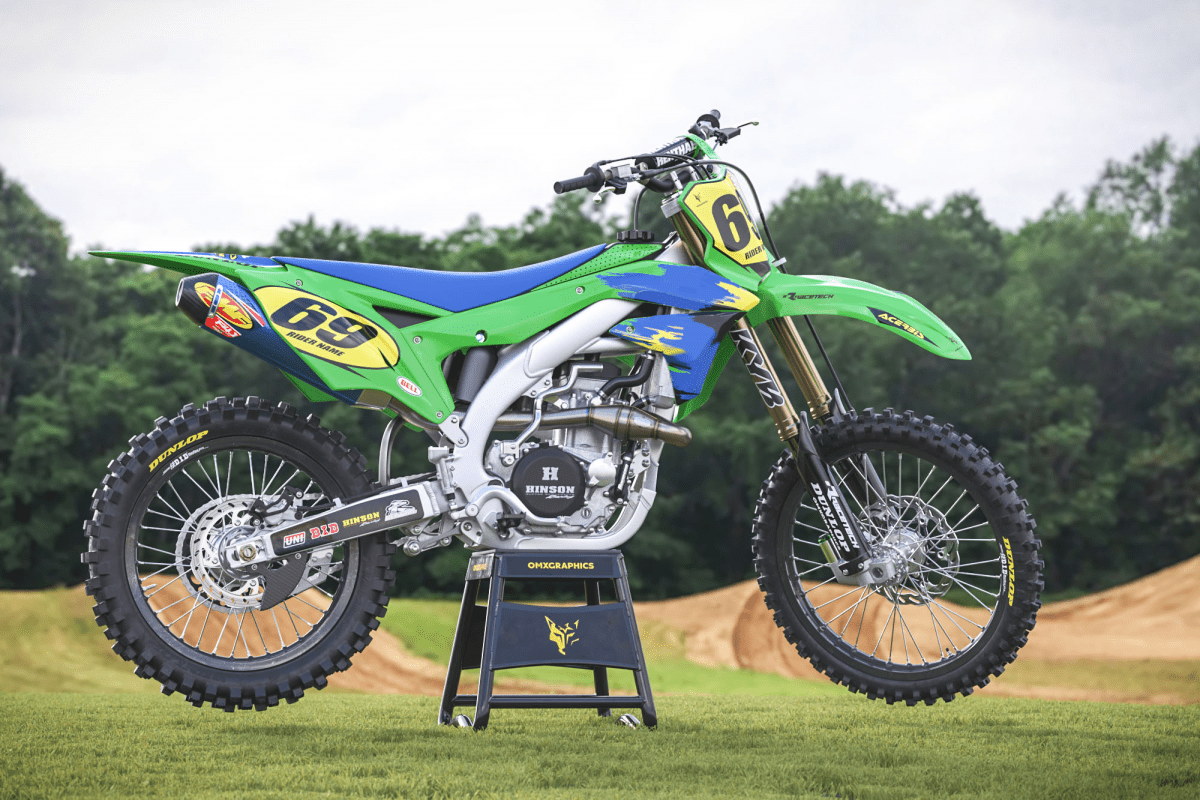
The 2020s: Every Detail Matters
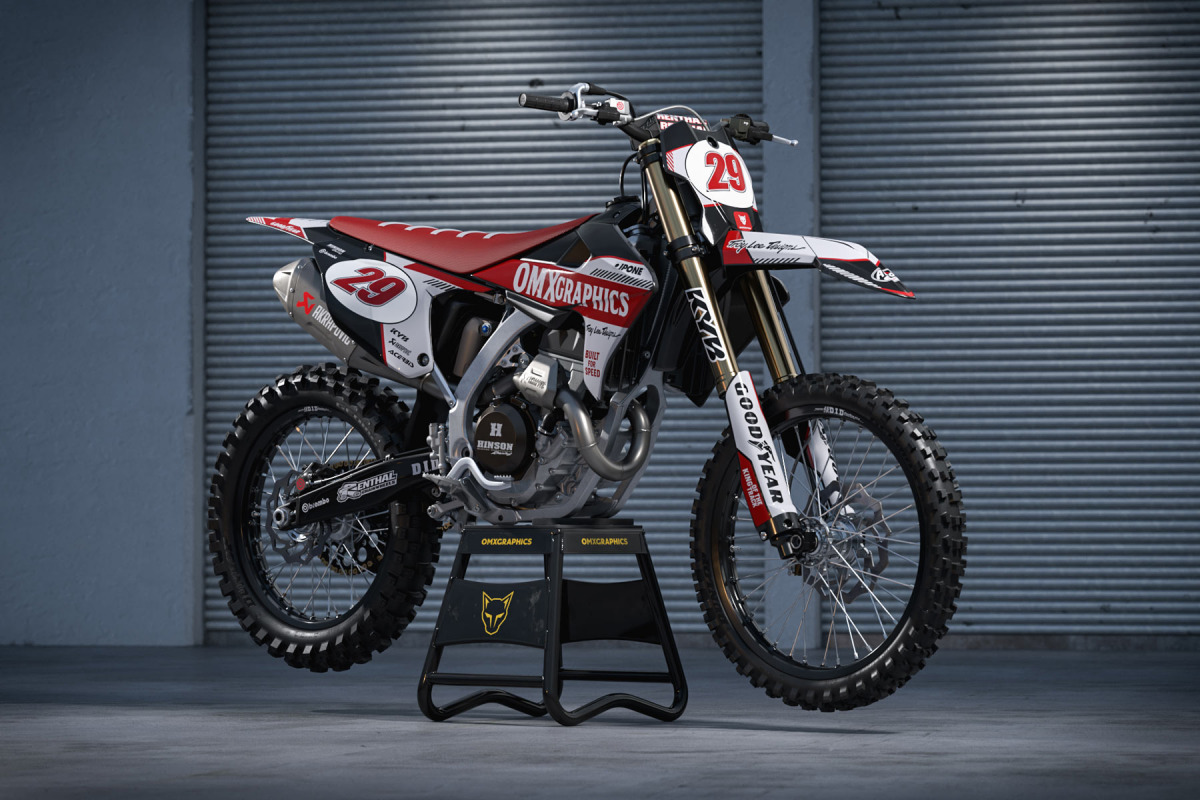
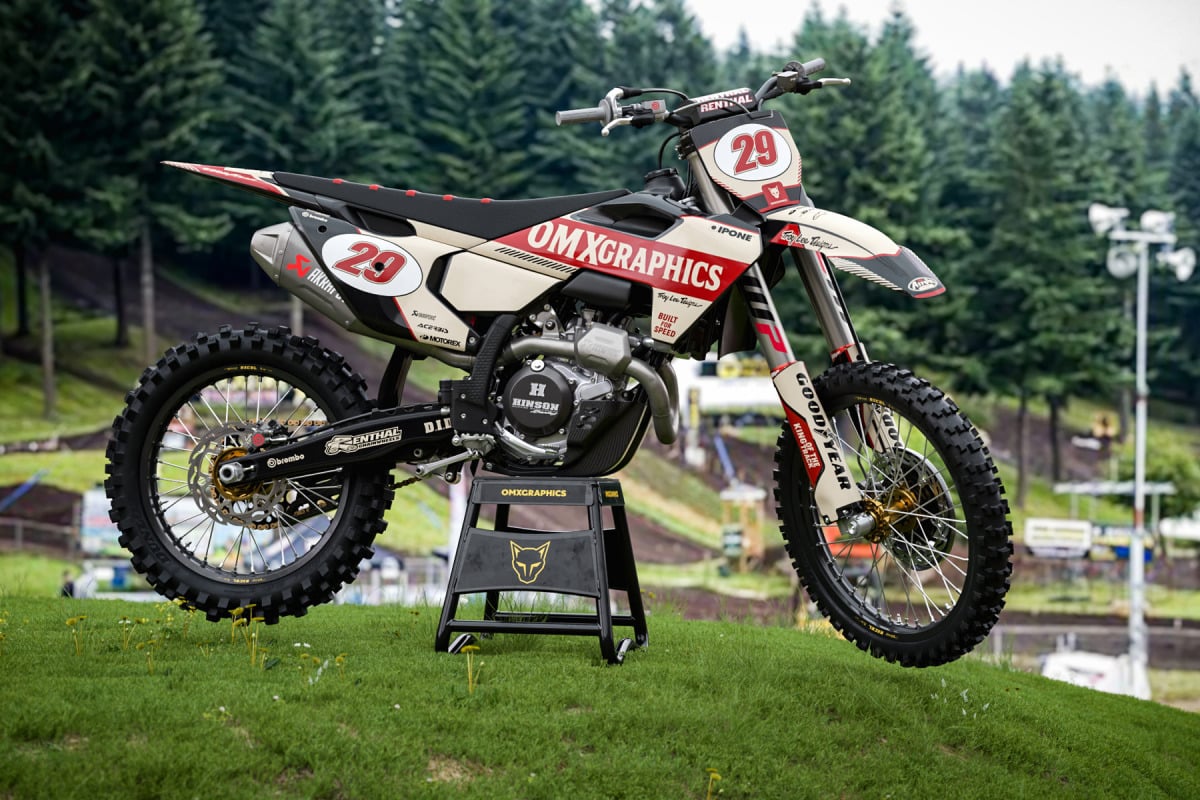
Today’s motocross bikes are more refined than ever. It’s no longer just about choosing a graphics kit. Riders think about every visual element together:
- Helmet
- Goggles
- Boots
- Riding gear
- Plastics
- Seat cover
- Wheels
- Graphics
- Numbers
- Accessories
The goal isn’t necessarily to build the most expensive motorcycle. It’s to create a setup that feels complete.
Even subtle details like matching fork guards, colored hoses, or anodized bolts contribute to the overall appearance. Modern riders understand that presentation reflects the same attention to detail that goes into maintaining the motorcycle mechanically.
Why Factory Bikes Still Inspire Everyone
Every season, factory teams introduce fresh color combinations and updated designs that immediately catch the attention of riders around the world. Professional race bikes often influence trends long before they reach local tracks. One year it might be oversized number backgrounds. The next season everyone is experimenting with cleaner layouts or matte finishes. Factory motorcycles continue to set the visual direction for the entire sport. But today’s riders don’t simply copy them. They use them as inspiration before creating something uniquely their own.
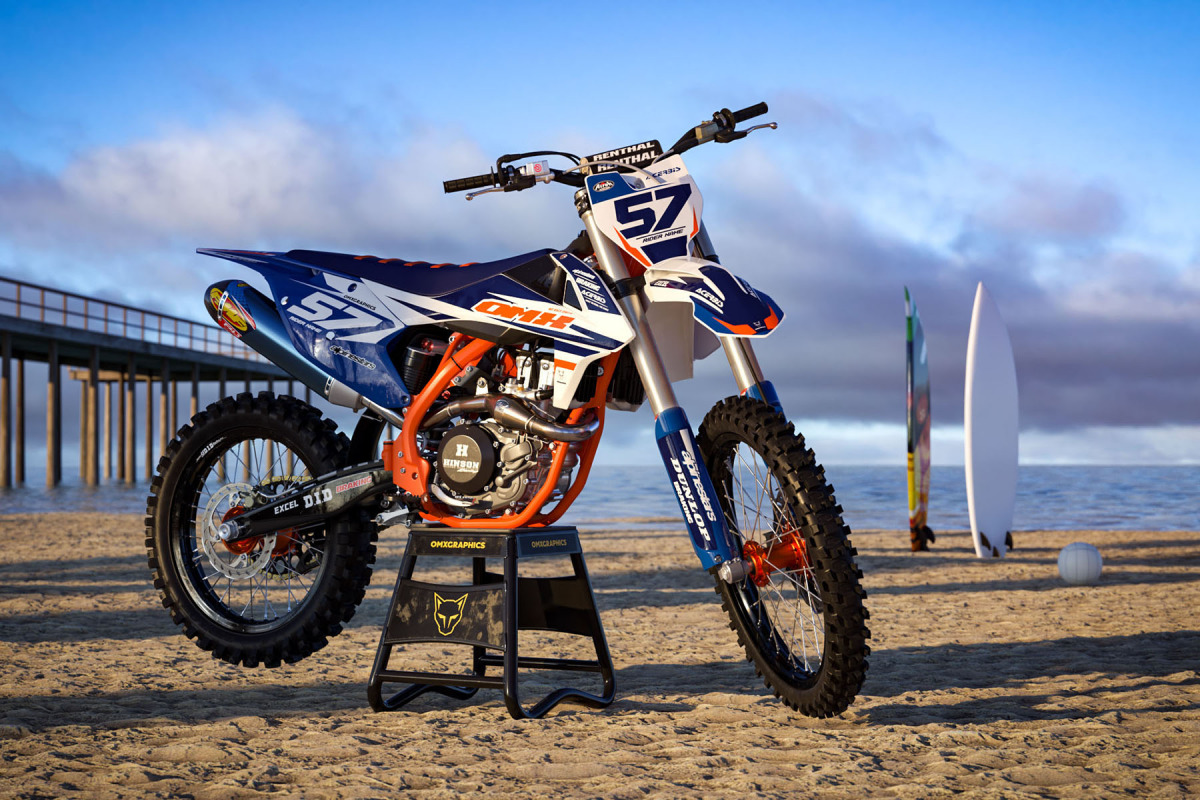
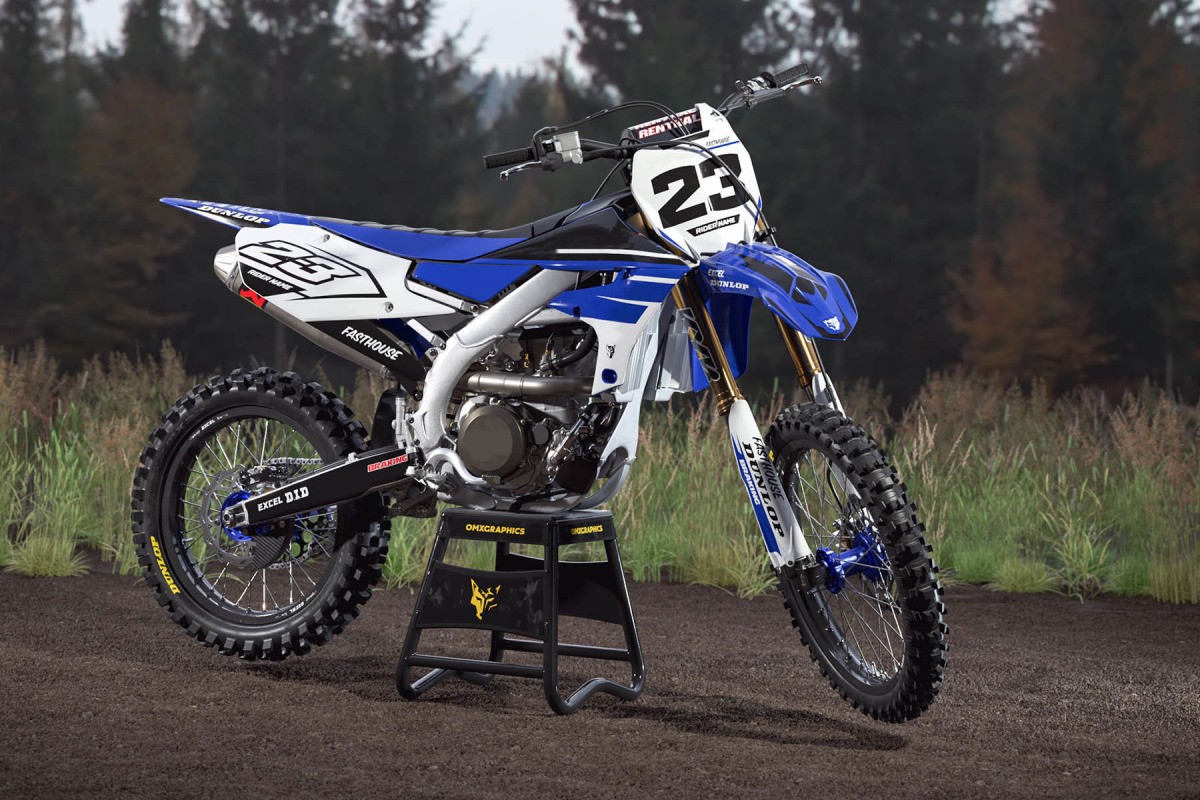
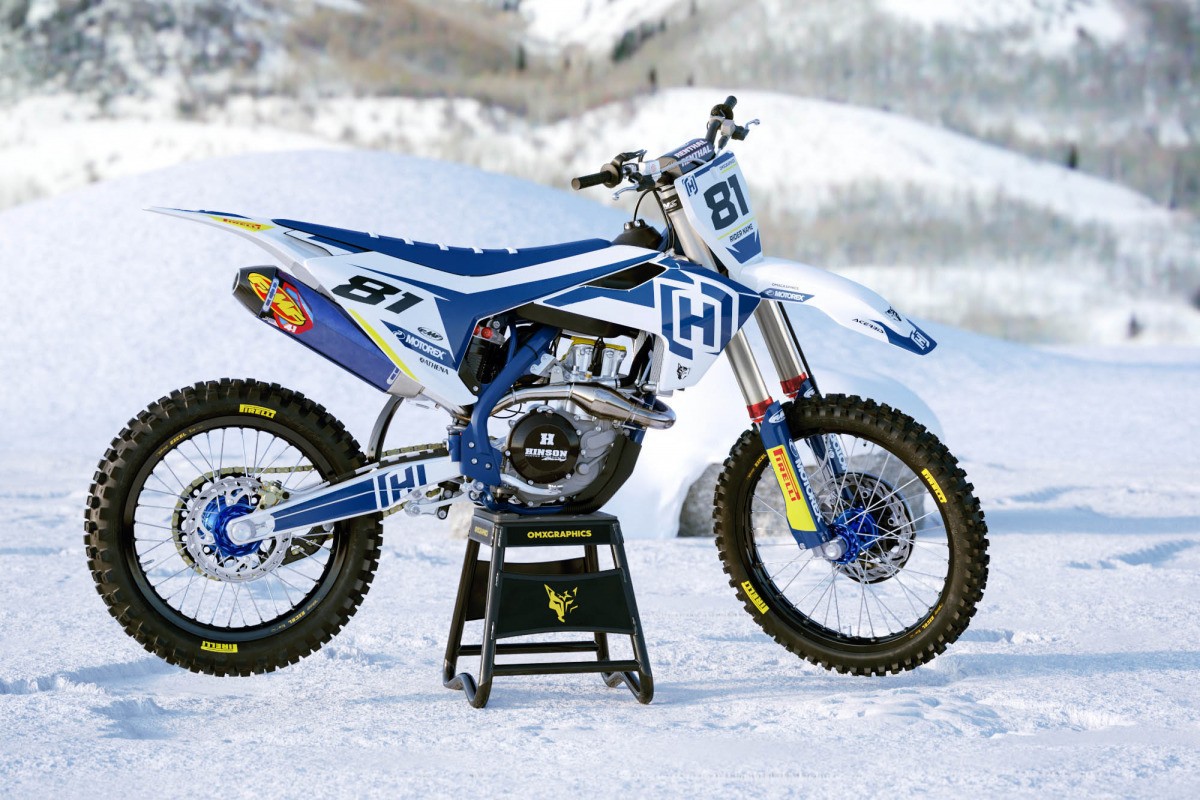
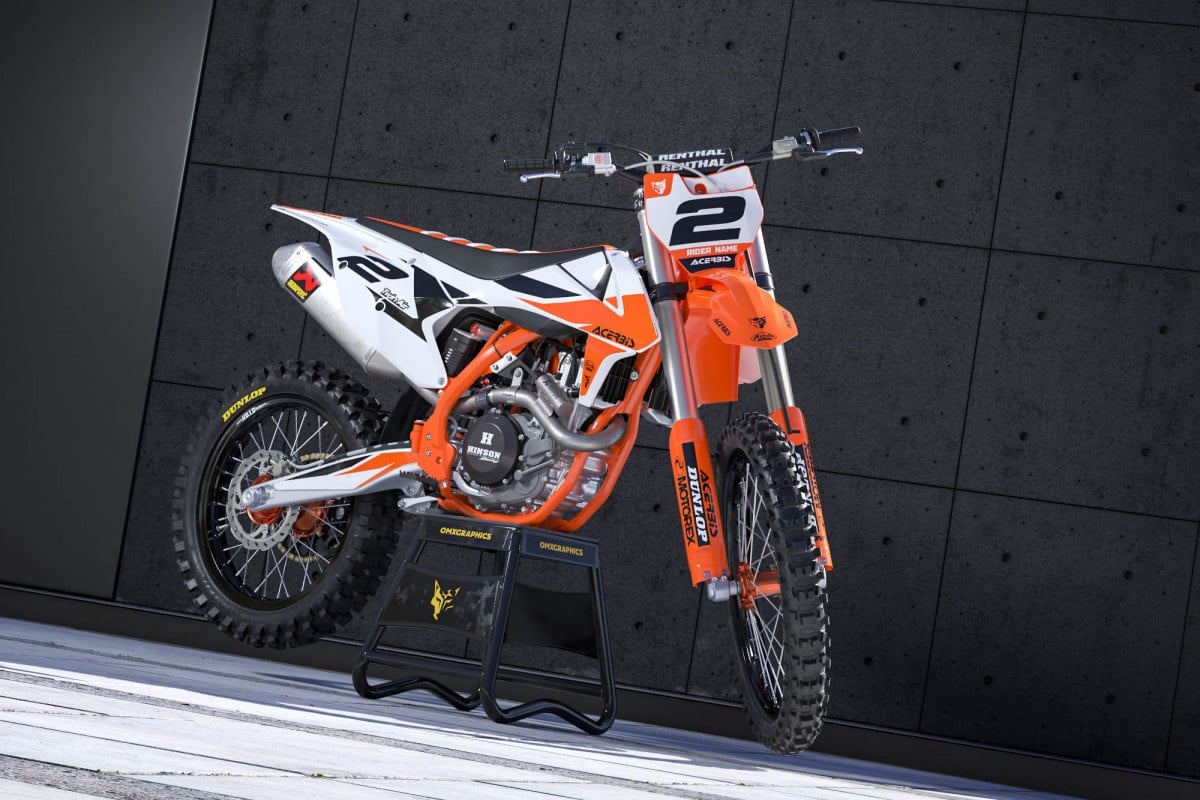
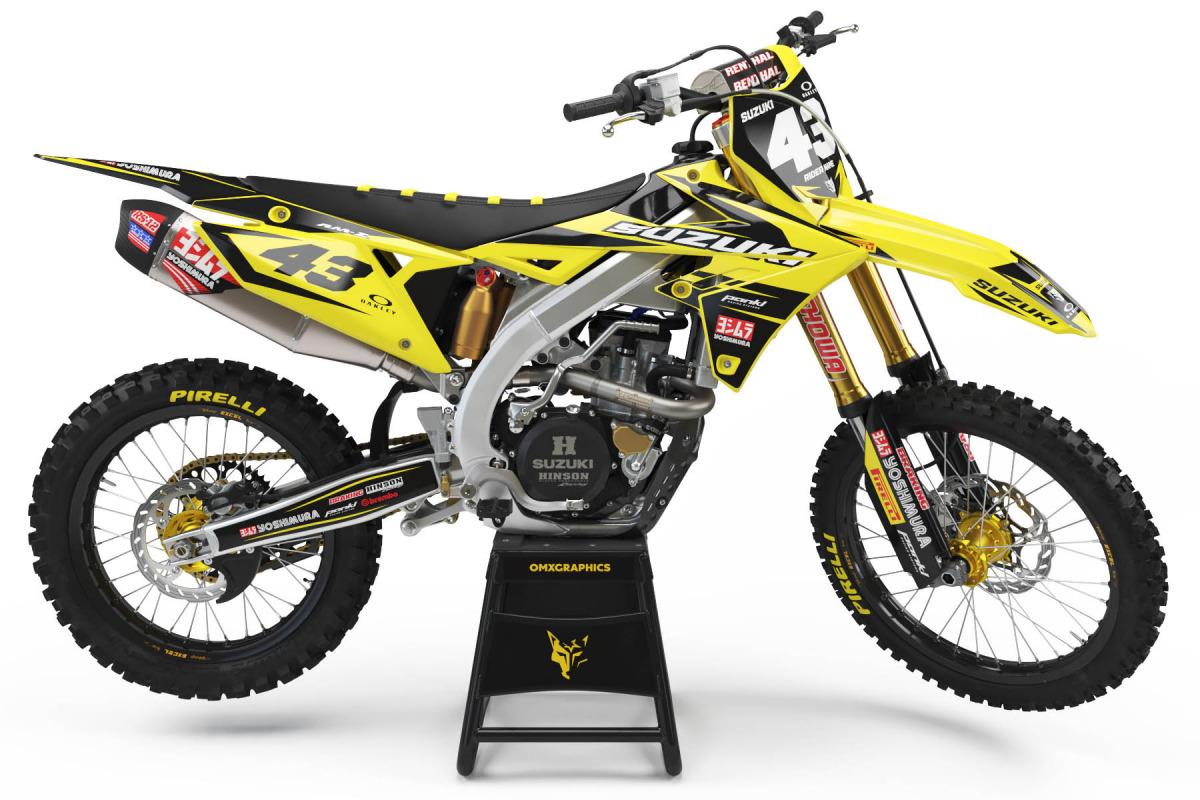
Custom Builds Have Become Part of Motocross Culture
Walk around almost any motocross paddock today and you’ll notice very few identical motorcycles. Even riders with the same make and model often personalize their bikes through colors, accessories, protective parts, and graphics.
One of the easiest ways to give any motorcycle a fresh identity is installing dirt bike graphics. Unlike permanent modifications, graphics allow riders to completely change the personality of a bike without altering its performance. Riders looking for a truly one-of-a-kind appearance often choose a fully custom MX graphics kit, combining their own colors, race numbers, names, and design ideas into a build that stands out every time it rolls onto the starting line.
Customization has become part of the fun of owning a motocross bike.
What Will the Future Look Like?
As technology continues to evolve, bike design will evolve with it. Electric motocross motorcycles are already introducing new body shapes and design possibilities. Manufacturers continue experimenting with lighter plastics, new color schemes, sustainable materials, and cleaner styling. We’re also seeing increased interest in different print base and over laminate options, including holographic materials, chrome accents, metallic colors, and textured laminates that weren’t widely available just a few years ago. While trends will continue changing, one thing seems certain. Motocross riders will always find new ways to make their motorcycles feel personal.
More Than Just Appearance
Some people see graphics and colors as purely cosmetic. Motocross riders usually see things differently. A clean, well-prepared motorcycle often reflects the effort invested behind the scenes. Riders who take pride in their bikes are often equally committed to maintenance, preparation, and attention to detail.
Style has become another way to express passion for the sport. From the simple race bikes of the 1980s to today’s highly personalized builds, motocross style has evolved dramatically. Yet the purpose remains the same – to create a motorcycle that every rider is proud to roll onto the track.
As the next generation of bikes arrives, the evolution is certain to continue. The designs may change, the colors may shift, and technology will keep advancing, but riders will always be looking for the next build that catches everyone’s attention before the gate even drops.