
Groomed Dirt, Perfect Ruts, and the Debate Dividing Riders
Walk through the pits at almost any motocross track and you’ll eventually hear someone say it.
“Tracks are getting too easy.”
It’s a conversation that has been gaining momentum among riders. Some argue that today’s perfectly groomed tracks help everyone enjoy riding safely, while others believe they’re creating a generation of riders who struggle as soon as conditions become rough.
The debate isn’t really about whether smooth tracks are fun.
It’s about one simple question:
Do perfectly prepared tracks actually slow down rider development?
The discussion has resurfaced in motocross communities, where many riders argue that rougher conditions reward fitness, line choice, bike control, and mental toughness, while others point out that well maintained tracks attract more riders and make the sport safer and more enjoyable.
Let’s look at both sides.
Why riders love freshly groomed tracks
There’s no denying it.
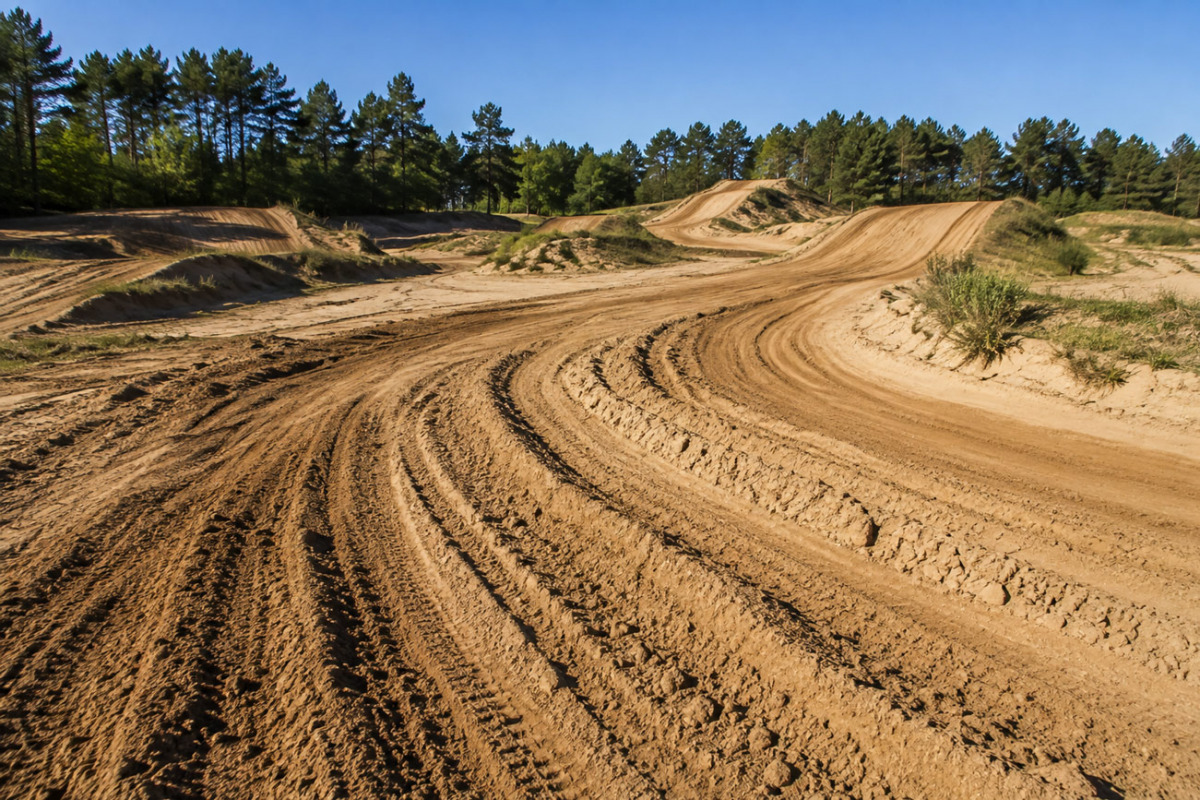
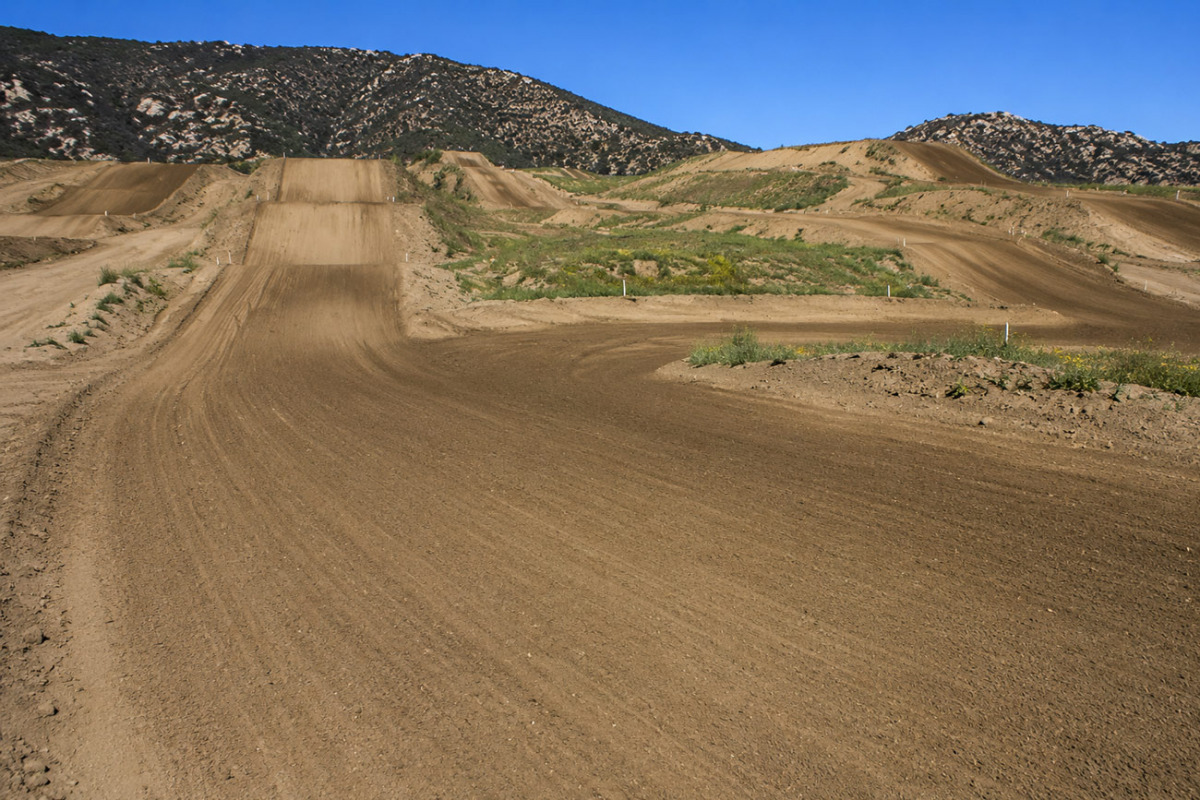
Rolling onto a freshly prepared motocross track feels incredible. The dirt is soft, braking bumps are minimal, jumps have clean lips, and nearly every line offers good traction. Riders can focus on technique instead of simply surviving each lap.
For beginners and intermediate riders, this environment builds confidence. A smooth surface makes it easier to practice cornering, body position, starts, and jumping without constantly fighting unpredictable terrain.
Track owners also have good reasons for regular grooming. A well-prepared circuit attracts more riders, reduces complaints, and can lower the risk of crashes caused by excessively deteriorated surfaces. As several riders have pointed out, most paying customers prefer a groomed track over one that becomes nearly unrideable after a few motos. From a business perspective, that makes perfect sense.
The argument for rough tracks
Now comes the other side of the discussion. Ask experienced racers what separates fast riders from average ones, and very few will mention perfectly smooth corners. Instead they’ll talk about:
– Reading changing lines;
– Choosing different ruts;
– Carrying momentum;
– Staying relaxed in braking bumps;
– Riding deep sand;
– Managing fatigue;
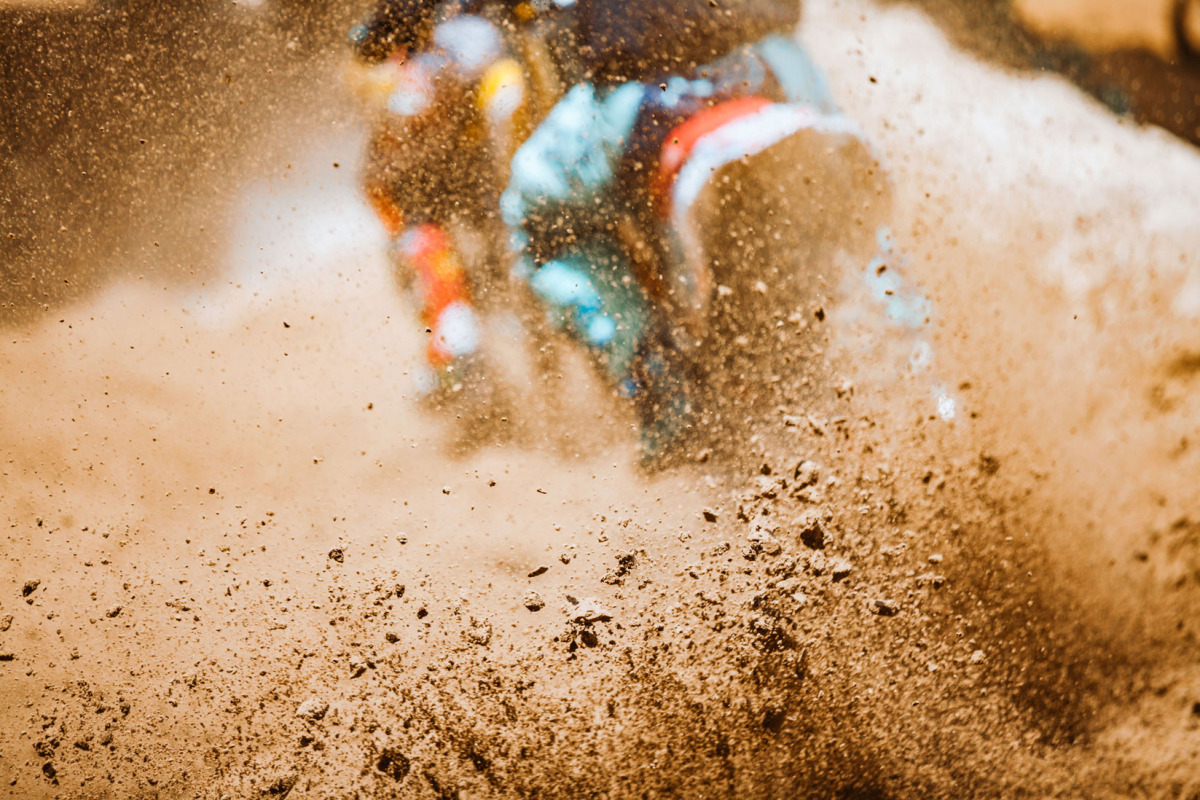
These skills don’t develop nearly as quickly on a freshly tilled circuit. Once a track becomes rough, every lap demands better decisions. Riders have to look farther ahead, react more quickly, and stay balanced over constantly changing terrain. That’s where real progress often begins.
Why european riders often look comfortable everywhere
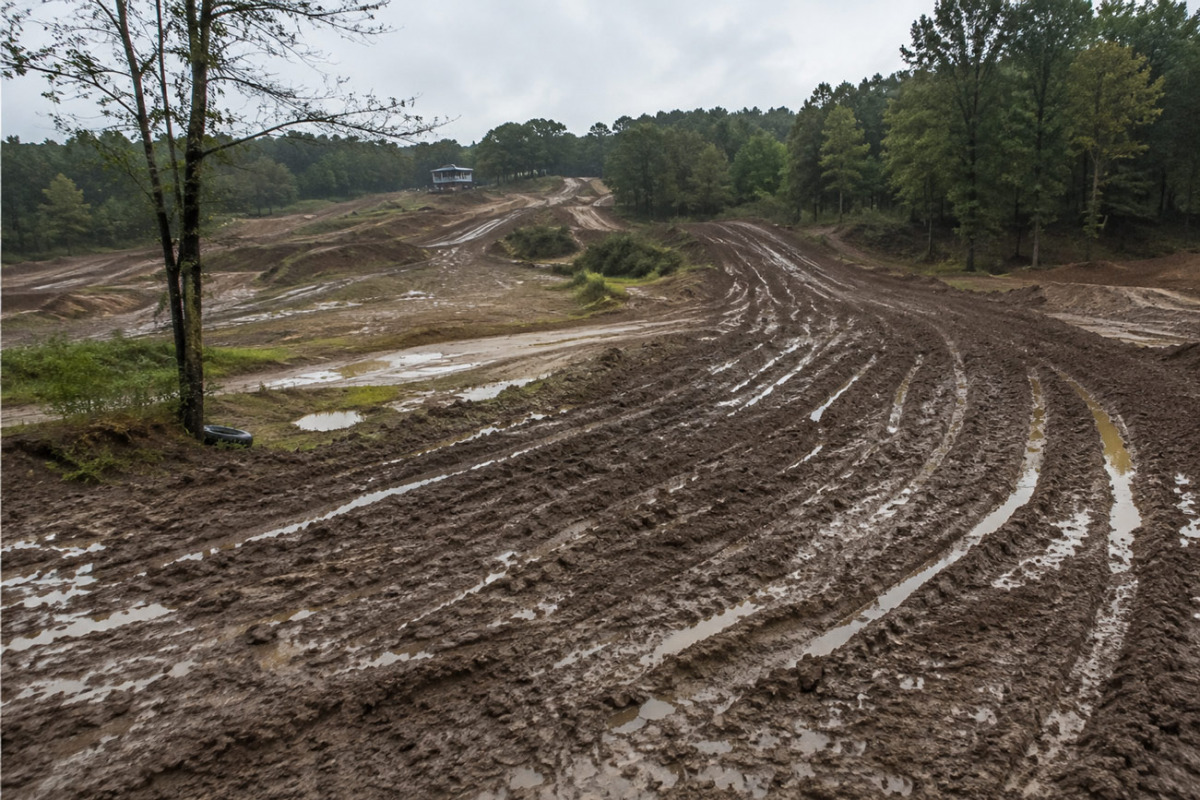
One of the comparisons frequently mentioned in the motocross world is the difference between American and European riding conditions. Many European tracks naturally become rough, technical, and deeply rutted throughout the day. Riders often grow up adapting to mud, sand, rocks, elevation changes, and unpredictable conditions. Because of that, they become comfortable making split-second adjustments instead of relying on ideal traction. Of course, this isn’t true everywhere, but the broader point remains: The more varied terrain you ride, the more complete you become as a rider.
Comfort doesn’t always build speed
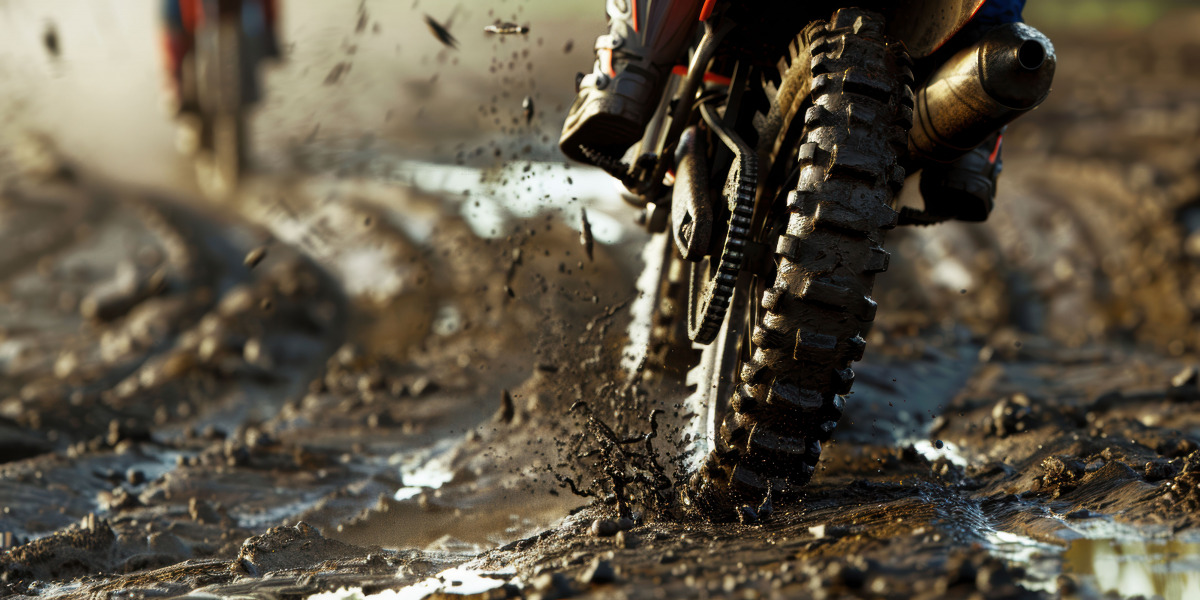
Imagine lifting weights. If every workout used exactly the same weight, you’d eventually stop improving. Motocross works much the same way. If every practice day consists of perfectly groomed dirt with identical corners and predictable traction, your body quickly adapts. The biggest improvements often happen when the conditions force you to think differently. Deep braking bumps teach balance. Sand teaches momentum. Hardpack teaches precision. Mud teaches patience. Rocky terrain teaches line choice. Every surface develops a different part of your riding.
The mental side of rough conditions
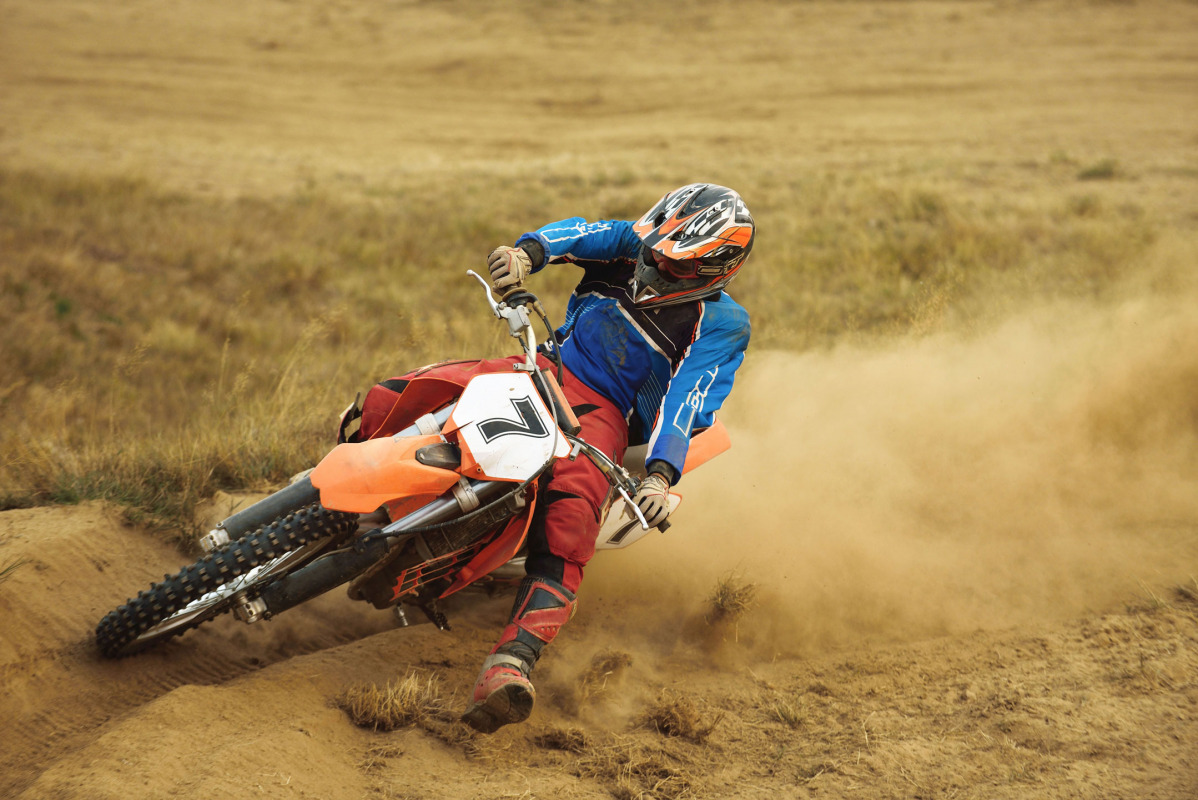
There’s another benefit that often goes unnoticed. Confidence. The first time you drop into a set of deep ruts, it’s intimidating. The first time you charge through braking bumps without rolling off the throttle, it feels uncomfortable. The first time you finish a brutal, rough moto, you realize your limits were farther away than you thought. These experiences build mental resilience just as much as physical ability.
Should tracks stop grooming?
Absolutely not. Smooth tracks play an important role. They’re safer for beginners. They’re more enjoyable for casual riders. They reduce unnecessary crashes. They encourage people to come back next weekend. The goal isn’t to replace groomed tracks. The goal is balance. Imagine if tracks intentionally allowed one afternoon practice to become rough before grooming again. Or if certain sections were left untouched for advanced riders. That would create valuable learning opportunities while still keeping the facility welcoming for everyone.
The best riders learn everywhere
Talk to professional riders and you’ll notice something interesting. They rarely limit themselves to one type of terrain. Throughout the year they ride: Sand, Hardpack, Loam, Deep ruts, Natural terrain, Technical practice tracks, National caliber circuits. Every track teaches something different. That’s one reason why traveling to different riding destinations can dramatically accelerate your progress. If you’re looking for new places to challenge yourself, check out our guide to the best motocross training facilities in the USA, where we compare some of the country’s top practice tracks and training compounds.
Variety is the secret weapon
One of the easiest ways to become a better rider isn’t buying another performance part. It’s simply exposing yourself to unfamiliar conditions. Spend one weekend riding deep sand. The next on hardpack. Then visit a natural terrain circuit. You’ll quickly notice that your reactions become faster, your confidence improves, and your overall bike control starts carrying over to every track you ride.
Don’t forget your bike
Training isn’t only about the rider.
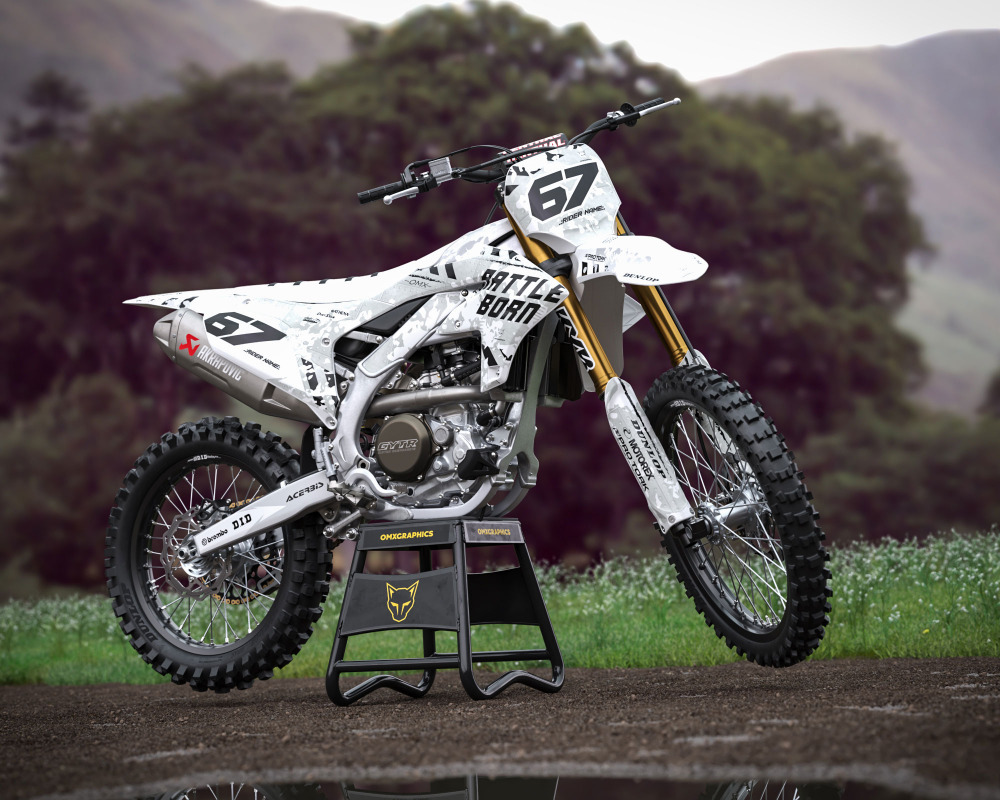
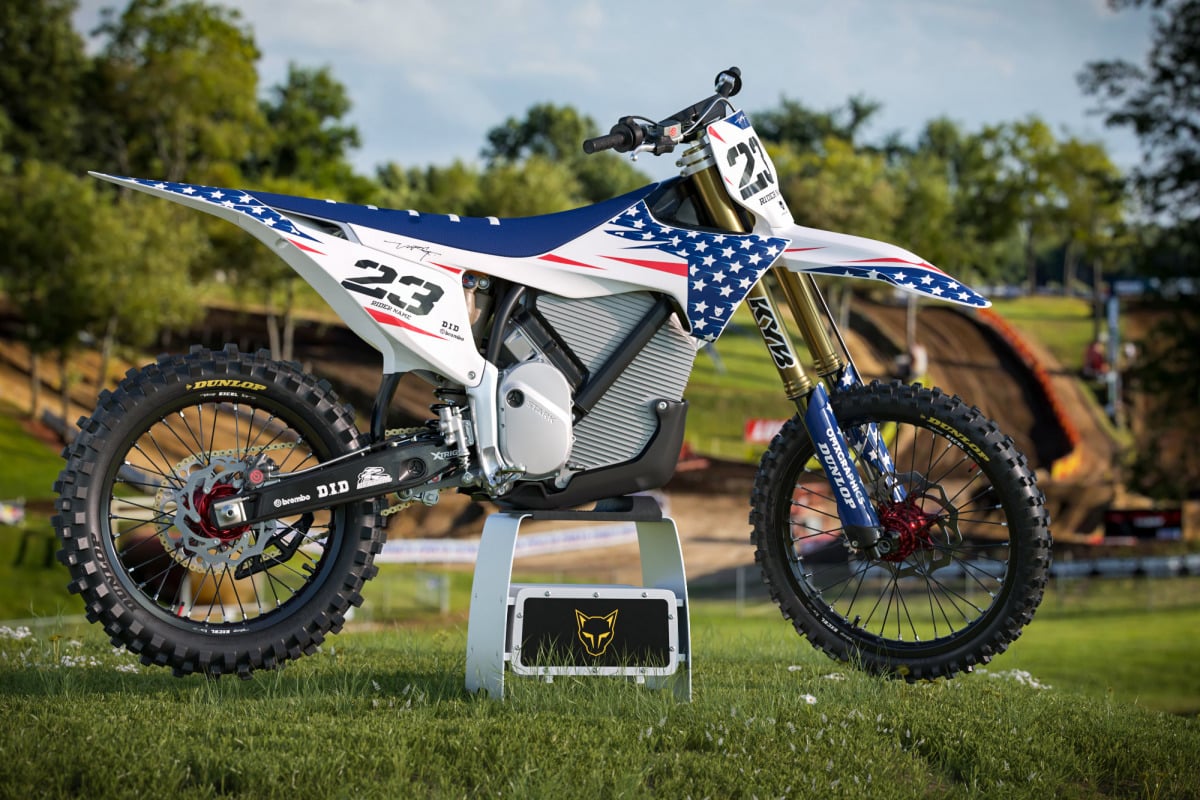
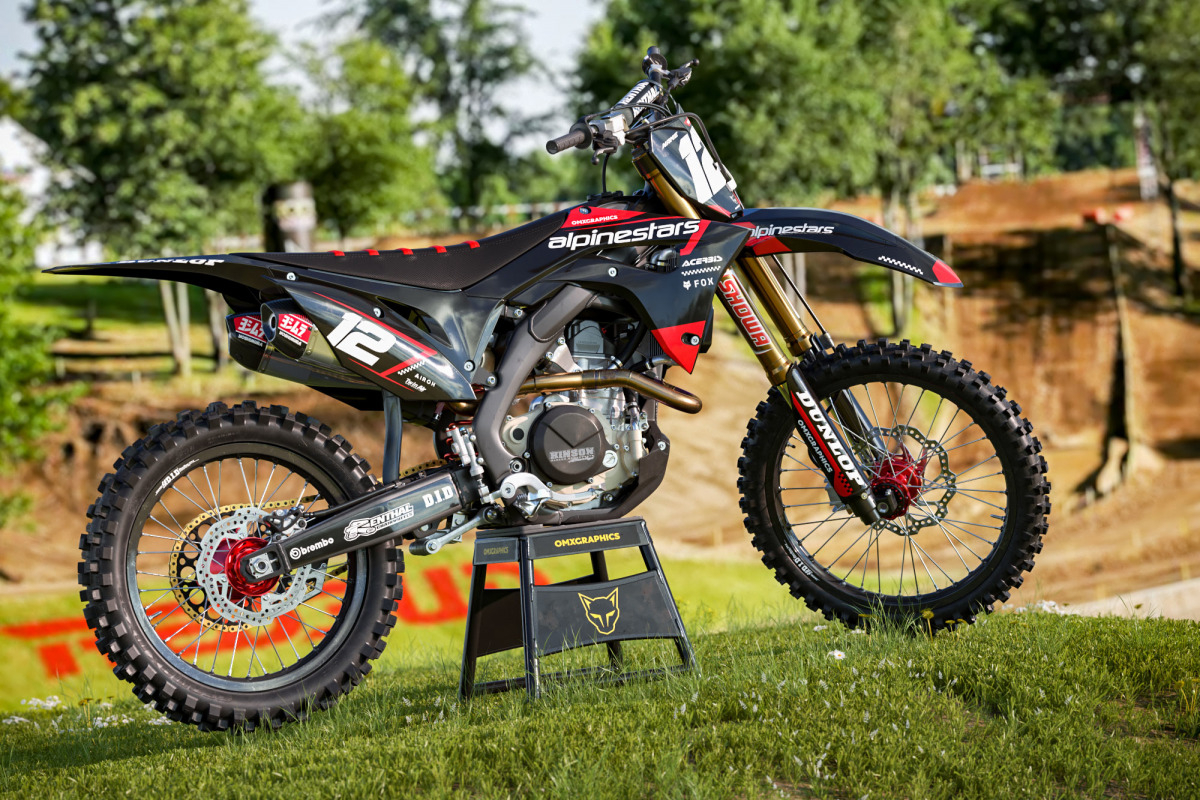
Showing up with a properly maintained motorcycle gives you one less thing to worry about when the gate drops. Fresh tires, clean controls, a serviced air filter, and suspension that suits your weight all contribute to a better riding experience. Many riders also refresh the appearance of their bike before a new training season with new dirt bike graphics, making it easier to identify their machine in the pits while giving it a clean, professional look. Whether you prefer factory-inspired styling or something completely unique, a fully custom MX graphics kit is one of the simplest ways to personalize your bike before the next ride.
So… are modern tracks making riders slower?
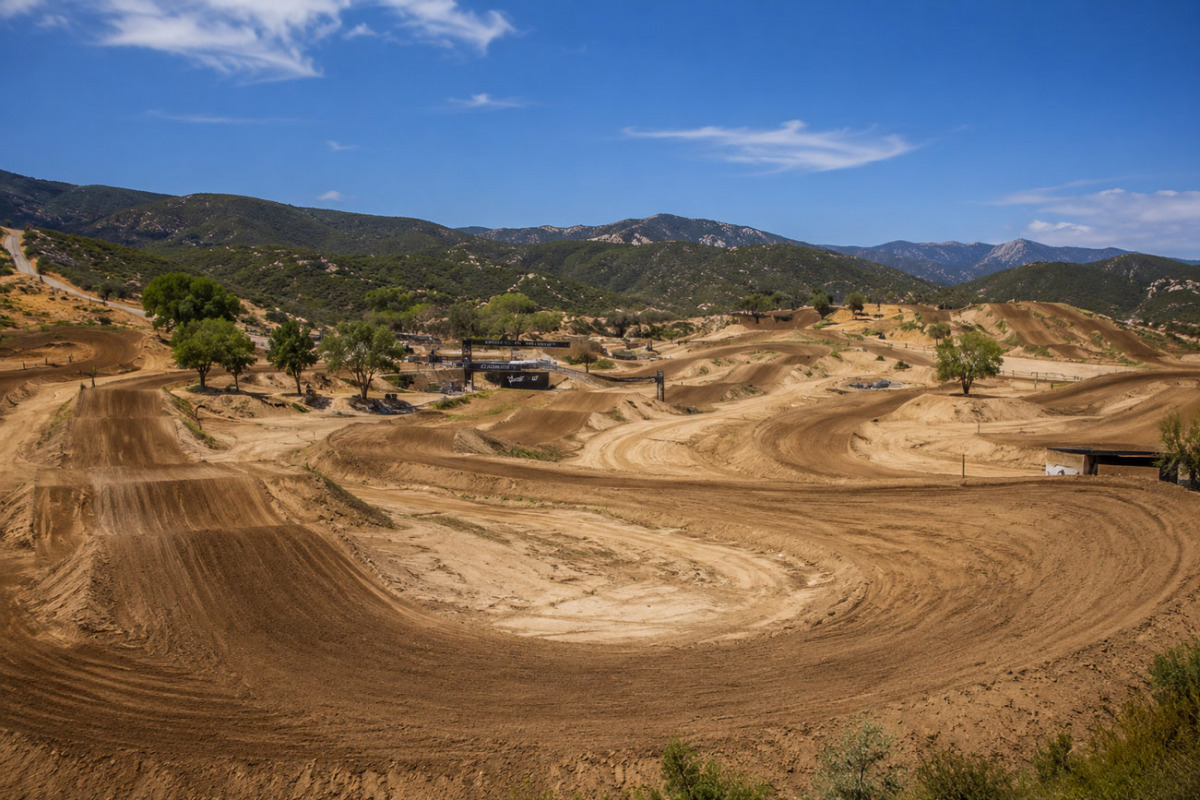
The answer is probably no. But relying only on perfectly groomed tracks might. The riders who improve the fastest are usually the ones who constantly challenge themselves with different terrain, different tracks, and different conditions. Smooth dirt has its place. So do braking bumps, square edges, deep ruts, and rough sand. Because motocross has never been about finding the easiest line. It’s about learning to ride every line.